
Thai Storage Tanks

Author name: admin

Uncategorized

What Type of Plastic Are Buckets Made From?

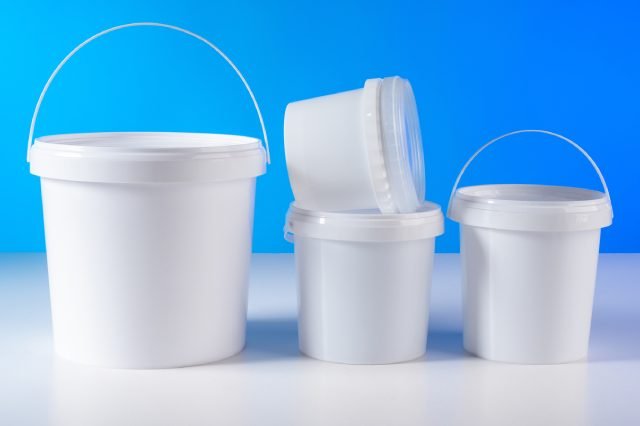
Most high-quality plastic buckets are made from polypropylene (PP) or high-density polyethylene (HDPE). These plastics are chosen for their durability, flexibility, chemical resistance, and cost-effectiveness, making them ideal for a wide range of domestic, commercial, and industrial applications. 1. Polypropylene (PP) – The Most Common Choice Polypropylene is the most widely used plastic for buckets. It’s lightweight yet incredibly strong, which makes it perfect for everyday use such as cleaning, storage, food handling, and construction. Key benefits of polypropylene buckets include: Because of these properties, PP buckets are commonly used in food processing, catering, agriculture, and household cleaning. If you’re looking for a bucket that balances strength, safety, and affordability, polypropylene is usually the best option. 2. High-Density Polyethylene (HDPE) – Built for Tough Jobs HDPE is another popular plastic used for buckets, especially in industrial and heavy-duty environments. It’s slightly more rigid than polypropylene and offers outstanding resistance to harsh chemicals and extreme conditions. HDPE bucket advantages include: HDPE buckets are ideal for customers who need extra durability and reliability, especially for professional or commercial use. Why Plastic Type Matters When Choosing a Bucket Understanding the plastic used in a bucket helps customers make smarter purchasing decisions. The right material ensures: For example, food-grade plastic buckets are typically made from polypropylene or certified HDPE to meet health and safety standards. Meanwhile, heavy-duty plastic buckets often rely on HDPE for added strength. Are Plastic Buckets Recyclable? Yes—both polypropylene and HDPE are recyclable plastics, making them a more sustainable choice compared to lower-grade materials. Many manufacturers now focus on eco-conscious production, helping businesses and consumers reduce environmental impact without sacrificing quality. Final Thoughts So, what type of plastic are buckets made from? In most cases, polypropylene (PP) and high-density polyethylene (HDPE) lead the way. These materials deliver the perfect combination of strength, flexibility, safety, and durability, making them suitable for everything from household chores to industrial use. Choosing the right plastic bucket isn’t just about price—it’s about performance, reliability, and purpose. When you understand the material, you choose better.
Uncategorized

How to Clean an IBC Water Tank – A Complete Step-by-Step Guide

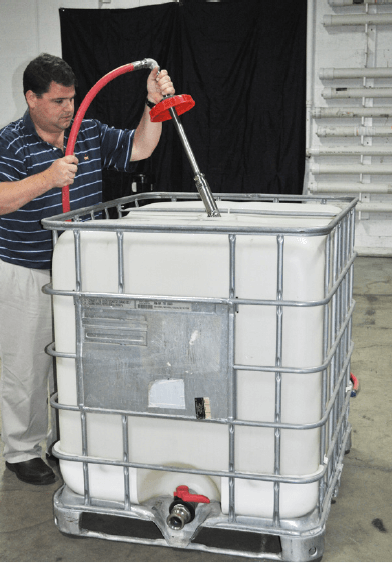
Keeping your IBC water tank clean is essential for ensuring safe, fresh, and contamination-free water storage. Whether you use your Intermediate Bulk Container (IBC) for drinking water, irrigation, or industrial purposes, regular cleaning prevents algae, bacteria, and sediment buildup, helping your tank last longer and maintain water quality. Step 1: Safety First Before cleaning, disconnect the IBC tank from any plumbing or pumps. Wear protective gloves, eyewear, and clothing to prevent contact with residue or cleaning agents. Ensure the tank is in a well-ventilated area if using disinfectants. Step 2: Drain and Inspect Empty all water from the tank. Inspect the interior for sediment, algae, or mold. Look for any cracks or damage that may need repair before refilling. Read More: curtec drums Step 3: Pre-Rinse Rinse the tank thoroughly with clean water to remove loose debris. Using a pressure washer or hose can speed up this process. Make sure to reach all corners and the bottom of the tank. Step 4: Clean the Interior Use a long-handled brush or scrubber and a mild cleaning solution such as baking soda, vinegar, or a tank-safe disinfectant. Scrub the walls, corners, and the bottom to remove stubborn residue. Avoid harsh chemicals that could leave harmful residues in your water. Step 5: Disinfect After cleaning, disinfect the tank using a diluted bleach solution (typically 1 tablespoon of bleach per gallon of water). Fill the tank partially, allow it to sit for 30–60 minutes, then shake or stir to coat all surfaces. This step ensures the removal of bacteria and algae spores. Step 6: Final Rinse Drain the bleach solution and rinse the tank multiple times with clean water until there is no residual smell of bleach. A thorough rinse ensures your water remains safe for drinking or irrigation. Step 7: Maintenance Tips By following these steps, your IBC water tank will remain clean, hygienic, and ready for use, whether for drinking water, rainwater harvesting, or industrial applications. Regular maintenance not only preserves water quality but also extends the life of your tank, making it a smart investment for home, farm, or business.

Uncategorized

Can You Use Adblue Containers for Water

When it comes to repurposing containers, many people wonder: Can you use AdBlue containers for water? Whether you’re storing drinking water, harvesting rainwater, or transporting water for gardening or camping, the type of container you choose matters. In this guide, we explore the safety, risks, and best practices of using AdBlue tanks and containers for water storage, helping you make an informed decision that protects both your health and equipment. What Are AdBlue Containers Designed For? AdBlue containers—whether they’re small jerry cans, 20-litre drums, or large AdBlue IBC tanks—are specifically manufactured to store AdBlue (Diesel Exhaust Fluid). This solution is a mix of deionised water and 32.5% urea, used in SCR systems to reduce vehicle emissions. Because AdBlue is highly sensitive to contamination, its containers are made from high-density polyethylene (HDPE), which is also commonly used in food-grade water containers. This is why many people assume they can simply wash out an AdBlue tank and reuse it for water. But is it actually safe? Is Water Safe to Store in an AdBlue Container? Here’s the honest answer: AdBlue containers are not recommended for safe water storage—especially drinking water.Even though the material is often similar to food-grade plastics, the issue lies in chemical residue and absorption. Why It’s Not Ideal: If you plan on using the water for livestock, gardening, irrigation, pressure washing, or cleaning… contamination might still pose a risk depending on the application. When Can You Use an AdBlue Container for Water? If you are storing non-potable water—for tasks like vehicle cleaning, irrigation, construction, or temporary water ballast—AdBlue containers can sometimes be reused only after deep cleaning. Before using an AdBlue tank for water, follow these steps: This prevents accidental drinking and ensures the container is used safely. Best Practice: Use Dedicated Water Containers For long-term, safe storage—especially drinking water—it’s always best to choose certified food-grade water containers, IBC tanks, or potable water drums. They’re designed to keep water clean, fresh, and contaminant-free. Final Verdict: Should You Use AdBlue Containers for Water? You can reuse AdBlue containers for non-drinking purposes, but they are NOT safe for potable water. For anything that enters your home, your body, or your animals’ diet, always rely on FDA-approved, food-safe water storage containers.

Uncategorized

How to Calculate Water Storage Tank Capacity

How to Calculate Water Storage Tank Capacity: A Clear, Simple Guide for Homeowners and Businesses If you’re planning to install a new water storage system, upgrading your current setup, or simply trying to understand your water usage, learning how to calculate water storage tank capacity is essential. Choosing the right tank size ensures you have enough water to meet daily needs, maintain steady pressure, and keep your home or business running smoothly—without overspending on a tank that’s too large. This guide explains everything you need to know, using simple steps and practical tips to help you make an informed decision. 1. Understand Your Daily Water Usage The first step in calculating your required tank capacity is determining how much water you use. Start by identifying your average daily consumption. For homes, this typically ranges between 50–100 gallons per person per day, depending on lifestyle, appliances, and usage habits. Businesses or farms may require significantly more. To calculate your total:Daily Usage = Number of People × Gallons Used Per Person For example, a family of four using 70 gallons each per day would require 280 gallons daily. This foundational number helps you estimate the minimum tank size needed to keep your water supply stable. 2. Factor in Peak Demand and Backup Storage Your tank capacity shouldn’t only reflect average use—it’s also important to account for peak usage times and potential supply interruptions. If you rely on a well system, rainwater harvesting, or live in an area prone to water shortages, you’ll need additional reserve storage. A good rule of thumb is to add 20–30% more capacity to your estimated daily usage. This ensures you never run out during high-demand periods like mornings, weekends, or seasonal spikes. 3. Consider the Purpose of Your Water Tank Not all water storage needs are the same. Your ideal capacity depends on whether the tank is for: For rainwater systems, calculating capacity also involves considering roof size, rainfall patterns, and collection efficiency. 4. Use the Standard Water Tank Calculation Formula To determine the exact storage volume of a cylindrical tank, use the formula: Volume (gallons) = π × Radius² × Height × 7.48 The factor 7.48 converts cubic feet to gallons. This equation helps you match the physical dimensions of your tank to the capacity you need. 5. Choose the Right Tank Size for Long-Term Efficiency Once you’ve completed your calculations, compare available tank sizes and materials. Choosing the right capacity helps lower maintenance costs, improves water reliability, and supports consistent water pressure. Read More:

Uncategorized

Do I Need a Soft Water Tank or Storage Tank?

Do I Need a Soft Water Tank or Storage Tank? Here’s What You Need to Know If you’ve ever wondered, “Do I need a soft water tank or a storage tank?”, you’re not alone. Homeowners and businesses alike are increasingly recognizing the benefits of water softening systems and storage tanks for improving water quality, protecting appliances, and ensuring consistent water availability. But deciding whether you truly need one requires understanding what these tanks do, how they work, and the advantages they bring to your home or business. 1. What Is a Soft Water Tank? A soft water tank is part of a water softening system that removes hard minerals like calcium and magnesium from your water supply. Hard water can cause limescale buildup in pipes, water heaters, and appliances, reducing efficiency and increasing maintenance costs. By installing a soft water tank, you ensure your household or commercial water is gentle on plumbing, extends the lifespan of appliances, and makes cleaning tasks easier. 2. What Is a Storage Tank? A water storage tank, on the other hand, is designed to store a reserve of water for your home or business. Whether connected to a well, municipal supply, or rainwater system, storage tanks ensure you always have water on hand during peak usage times or emergencies. Some systems combine softening and storage, giving you the dual benefits of clean, softened water that’s readily available whenever you need it. 3. Signs You Might Need a Soft Water Tank You may need a soft water tank if you notice: Installing a soft water tank can solve all of these issues, providing softer, cleaner water for everyday use. 4. Benefits of Installing a Storage Tank Even if your water is softened, a storage tank can offer several advantages: 5. Choosing the Right Tank for Your Needs When deciding whether to install a soft water tank or storage tank, consider your water usage, household size, and water quality. Modern systems offer a variety of sizes and capacities, from compact tanks for small homes to larger setups for commercial spaces. Working with a trusted water treatment professional can help you select the optimal solution. 6. Why Act Now Investing in a soft water tank or storage tank today means fewer repairs, longer-lasting appliances, and a more comfortable home environment. Softened, clean water not only protects your plumbing but also improves the quality of your daily life—from cooking and cleaning to bathing and laundry. In conclusion, asking “Do I need a soft water tank or storage tank?” is the first step toward better water quality and reliability. By understanding your household’s needs, the benefits of each system, and the potential savings, you can make an informed decision that enhances your home or business. Don’t wait for limescale, low pressure, or hard water headaches—invest in a soft water tank or storage tank today for lasting peace of mind and improved water quality.

Uncategorized

What Type of Plastic Are Buckets Made From?

Plastic buckets are essential tools across homes, businesses, and industrial environments — but have you ever wondered exactly what type of plastic makes them so strong, reliable, and versatile? Modern plastic buckets are typically made from two high-performance materials: HDPE (High-Density Polyethylene) and PP (Polypropylene). These plastics are chosen because they offer the perfect combination of durability, flexibility, safety, and cost-effectiveness, making them ideal for a wide range of storage, cleaning, commercial, and industrial applications. HDPE: The Most Common Plastic for Buckets The majority of today’s buckets are produced using HDPE, a premium plastic known for its exceptional strength and long-lasting performance. HDPE is highly valued because it is: These features make HDPE buckets perfect for household cleaning, gardening, construction, car washing, commercial storage, and food handling. For customers seeking a bucket that can handle almost any task, HDPE offers unmatched reliability. Polypropylene (PP): The Heat-Resistant Alternative Some buckets are made from PP (Polypropylene), another advanced plastic material. PP is slightly more rigid than HDPE and performs exceptionally well in environments where high temperatures, hot liquids, or thermal fluctuations are common. PP buckets are commonly used in: Polypropylene maintains its shape, resists warping, and offers high durability, making it a popular choice for industries that require precision, hygiene, and heat tolerance. Why Manufacturers Choose These Plastics HDPE and PP are both chosen for bucket manufacturing because they deliver: Buckets made from these plastics can be produced with different features such as snap-on lids, metal handles, tamper-evident seals, and reinforced bases, making them suitable for an extensive range of customer needs. A Bucket for Every Purpose Whether you’re buying a heavy-duty bucket for industrial work or a lightweight option for everyday household tasks, HDPE and PP buckets deliver the performance you can depend on. They are designed to be strong, safe, easy to clean, and incredibly long-lasting, ensuring excellent value for money. For customers searching online for durable plastic buckets, food-safe storage buckets, construction-grade buckets, or chemical-resistant buckets, choosing HDPE or PP guarantees proven quality.

EnglishenEnglishEnglish
Scroll to Top